

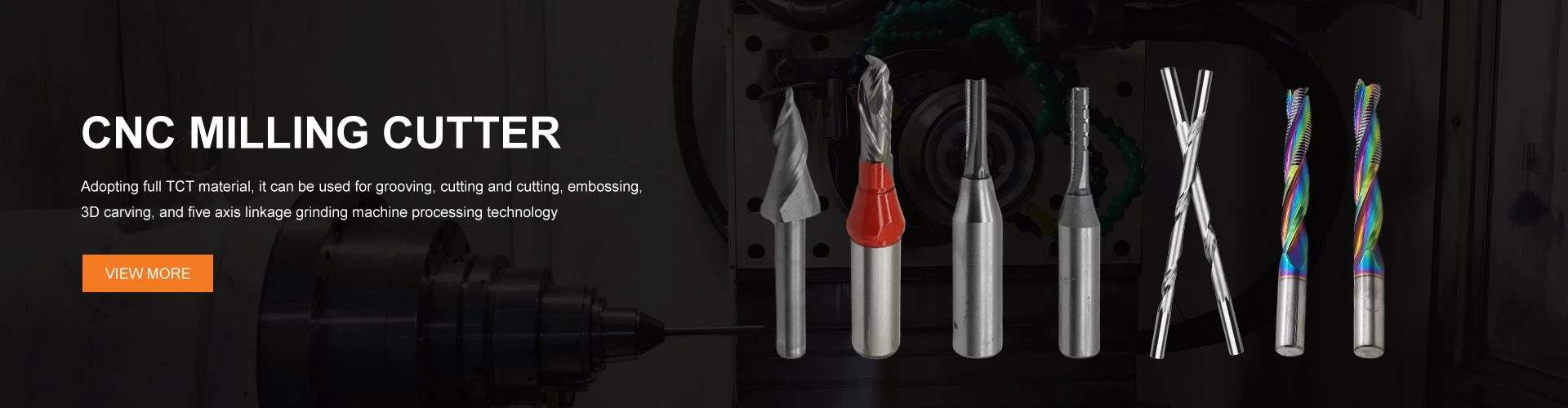
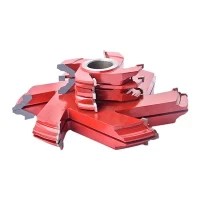
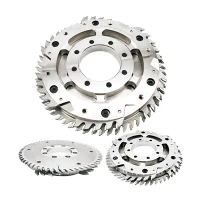
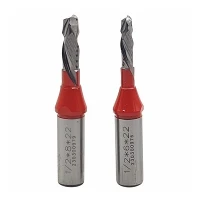
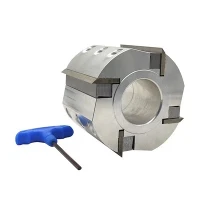
Row Drill Bit
Why Choose Dongguan Kangmingjian Tool Co., Ltd.?
Dongguan Kangmingjian Tool Co., Ltd. was established in 2004 and is committed to providing customers with competitive, high-quality products and services. Since its establishment, the company has had a good environment for modern innovation capabilities. It is this environment that allows the company to develop rapidly.
Quality Assurance
Each batch of goods has a corresponding quality inspection report to solve your concerns about product quality.
Delivery On Time
We cooperate with professional sea shipping, air and logistics companies to provide you with the best transportation solution to ensure timely delivery of goods.
Wide Product Range
Our company seizes market opportunities and develops a series of practical products, technologies and solutions. The product categories continue to increase, the scope of the market network continues to expand, and it has gained wide market recognition and domestic and foreign market shares. The tool series produced by the company includes woodworking tools, woodworking milling cutters, spiral cutters, woodworking drill bits, alloy row drill bits, diamond tools, circular saw blades and a series of tool products for woodworking.
Professional Technical Team
The company has a group of engineering and technical talents with rich experience in producing woodworking tools. They use ultra-fine grain tungsten steel materials, CAD, 3D design, advanced turning and milling compound machine tools, and five-axis linkage grinder production processes to ensure the use of each tool. The company accepts customers' drawings and samples for customized production.
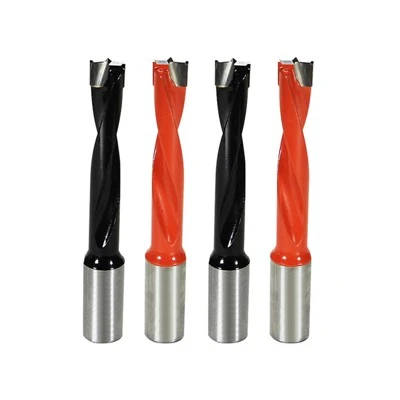
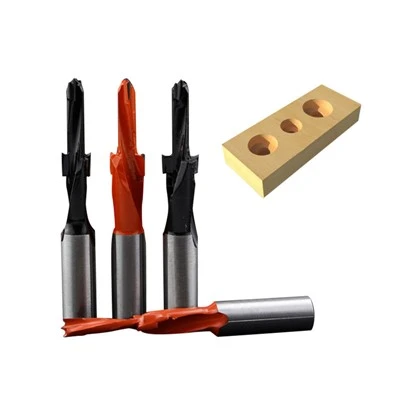
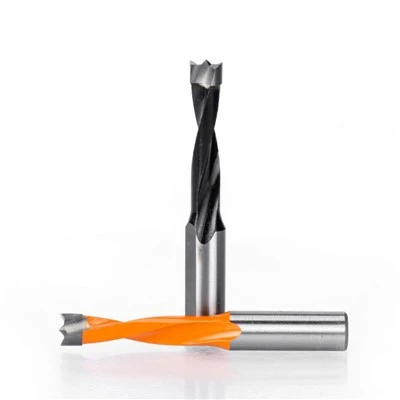
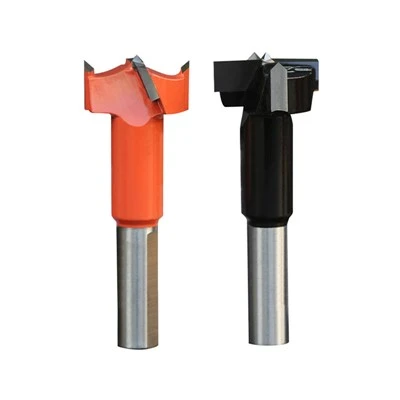
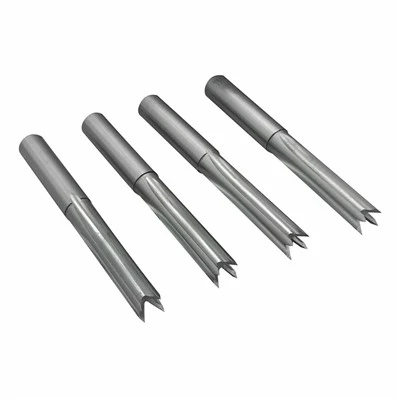
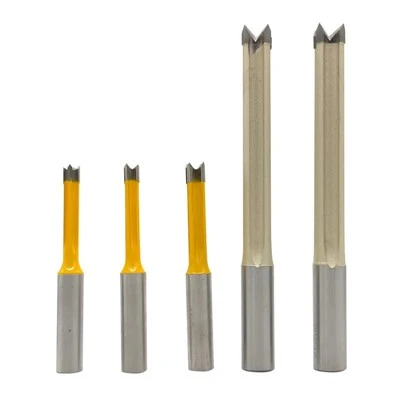
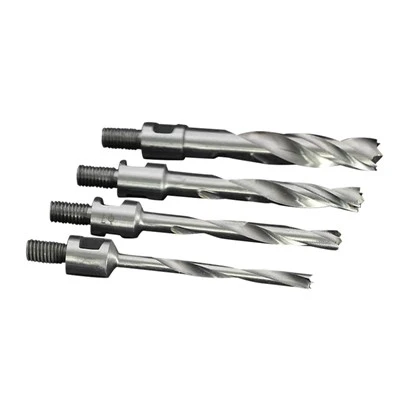
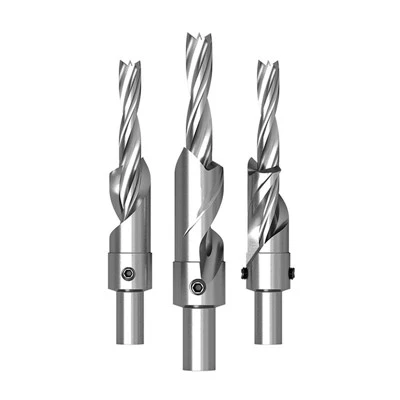
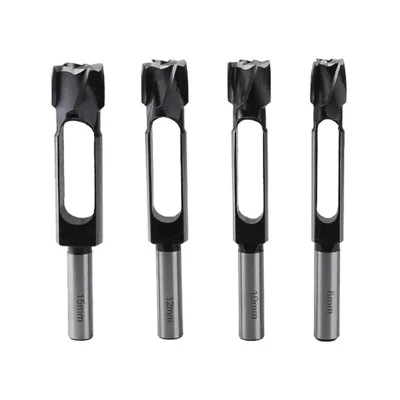
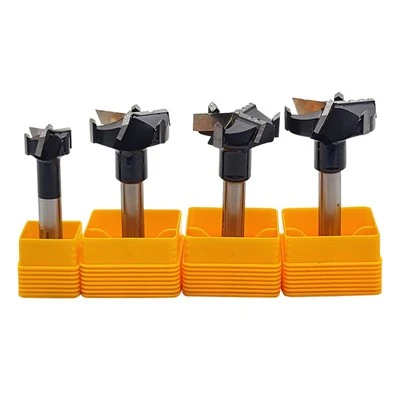
What is Row Drill Bit?
A row drill bit is a type of drill bit that is designed to drill multiple holes in a single row, typically used in woodworking and cabinetry applications. Row drill bits are cutting tools used in a drill to remove material to create holes, almost always of circular cross-section. In order to create holes drill bits are usually attached to a drill, which powers them to cut through the workpiece, typically by rotation. The drill will grasp the upper end of a bit called the shank in the chuck.
Spiral
The spiral (or rate of twist) in the row drill bit controls the rate of chip removal. A fast spiral (high twist rate or "compact flute") drill bit is used in high feed rate applications under low spindle speeds, where removal of a large volume of chips is required. Low spiral (low twist rate or "elongated flute") drill bits are used in cutting applications where high cutting speeds are traditionally used, and where the material has a tendency to gall on the bit or otherwise clog the hole, such as aluminum or copper.
Point Angle
The point angle, or the angle formed at the tip of the bit, is determined by the material the bit will be operating in. Harder materials require a larger point angle, and softer materials require a sharper angle. The correct point angle for the hardness of the material influences wandering, chatter, hole shape, and wear rate.
Lip Angle
The lip angle determines the amount of support provided to the cutting edge. A greater lip angle will cause the bit to cut more aggressively under the same amount of point pressure as a bit with a smaller lip angle. Both conditions can cause binding, wear, and eventual catastrophic failure of the tool. The proper amount of lip clearance is determined by the point angle. A very acute point angle has more web surface area presented to the work at any one time, requiring an aggressive lip angle, where a flat bit is extremely sensitive to small changes in lip angle due to the small surface area supporting the cutting edges.
Functional Length
The functional length of a bit determines how deep a hole can be drilled, and also determines the stiffness of the bit and accuracy of the resultant hole. While longer bits can drill deeper holes, they are more flexible meaning that the holes they drill may have an inaccurate location or wander from the intended axis. Twist drill bits are available in standard lengths, referred to as Stub-length or Screw-Machine-length (short), the extremely common Jobber-length (medium), and Taper-length or Long-Series (long).
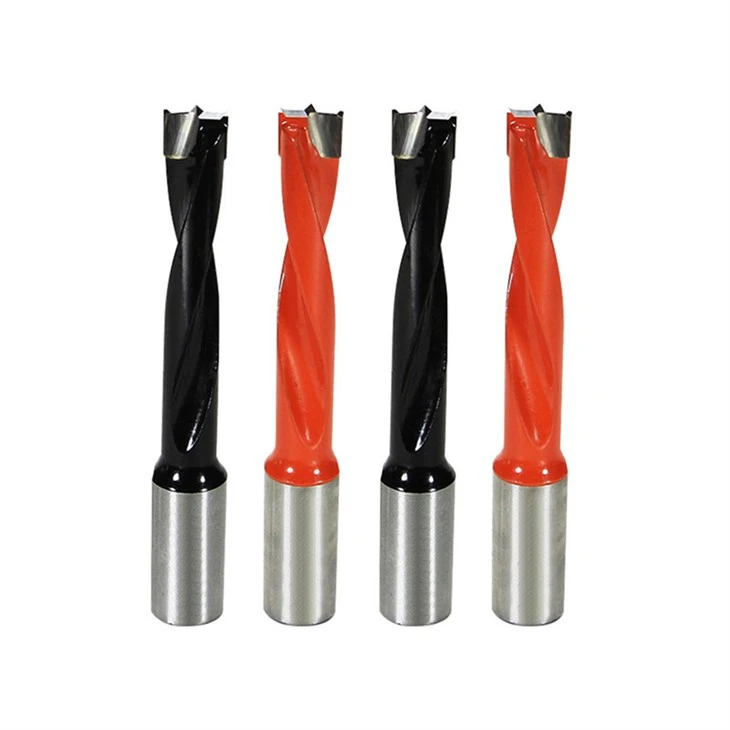
Types of Row Drill Bit
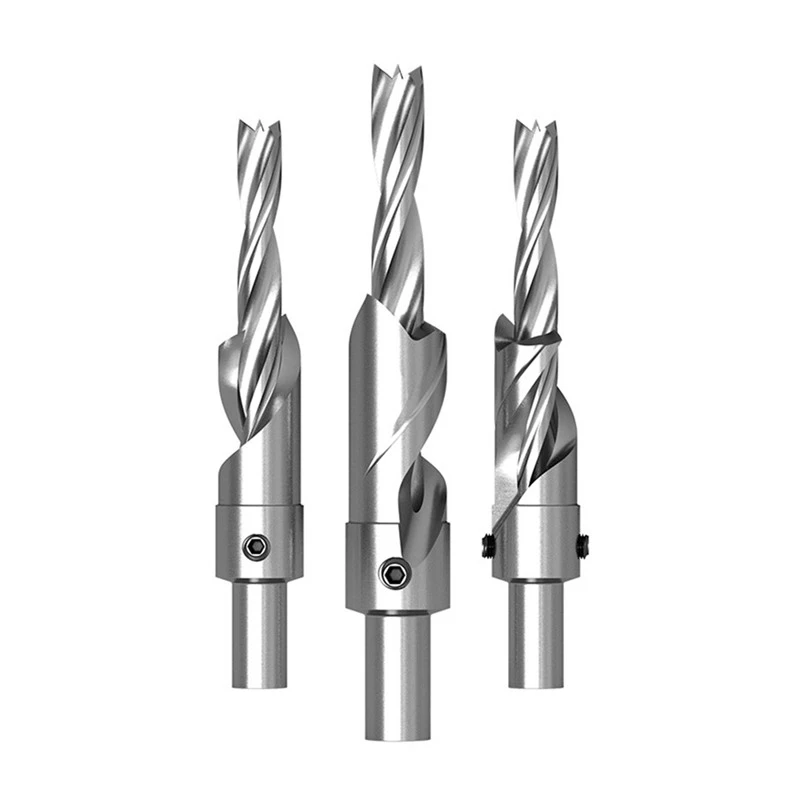
Step Drill Bit
A step drill bit is a drill bit that has the tip ground down to a different diameter. The transition between this ground diameter and the original diameter is either straight, to form a counterbore, or angled, to form a countersink. The advantage to this style is that both diameters have the same flute characteristics, which keeps the bit from clogging when drilling in softer materials, such as aluminum; in contrast, a drill bit with a slip-on collar does not have the same benefit. Most of these bits are custom-made for each application, which makes them more expensive.
Hole Saw
Hole saws take the form of a short open cylinder with saw-teeth on the open edge, used for making relatively large holes in thin material. They remove material only from the edge of the hole, cutting out an intact disc of material, unlike many drills which remove all material in the interior of the hole. They can be used to make large holes in wood, sheet metal and other materials.
Twist Drill Bit
The twist drill bit is the type produced in largest quantity today. It comprises a cutting point at the tip of a cylindrical shaft with helical flutes; the flutes act as an Archimedean screw and lift swarf out of the hole.
Twist drill bits range in diameter from 0.002 to 3.5 in (0.051 to 88.900 mm)and can be as long as 25.5 in (650 mm).
Unibit
A unibit (often called a step drill bit) is a roughly conical bit with a stairstep profile. Due to its design, a single bit can be used for drilling a wide range of hole sizes. Some bits come to a point and are thus self-starting. The larger-size bits have blunt tips and are used for hole enlarging.
Unibits are commonly used on sheet metal and in general construction. One drill bit can drill the entire range of holes necessary on a countertop, speeding up installation of fixtures. They are often used on softer materials, such as plywood, particle board, drywall, acrylic, and laminate. They can be used on very thin sheet metal, but metals tend to cause premature bit wear and dulling.
Unibits are ideal for use in electrical work where thin steel, aluminum or plastic boxes and chassis are encountered. The short length of the unibit and ability to vary the diameter of the finished hole is an advantage in chassis or front panel work. The finished hole can often be made quite smooth and burr-free, especially in plastic.
An additional use of unibits is deburring holes left by other bits, as the sharp increase to the next step size allows the cutting edge to scrape burrs off the entry surface of the workpiece. However, the straight flute is poor at chip ejection, and can cause a burr to be formed on the exit side of the hole, more so than a spiral twist drill bit turning at high speed.
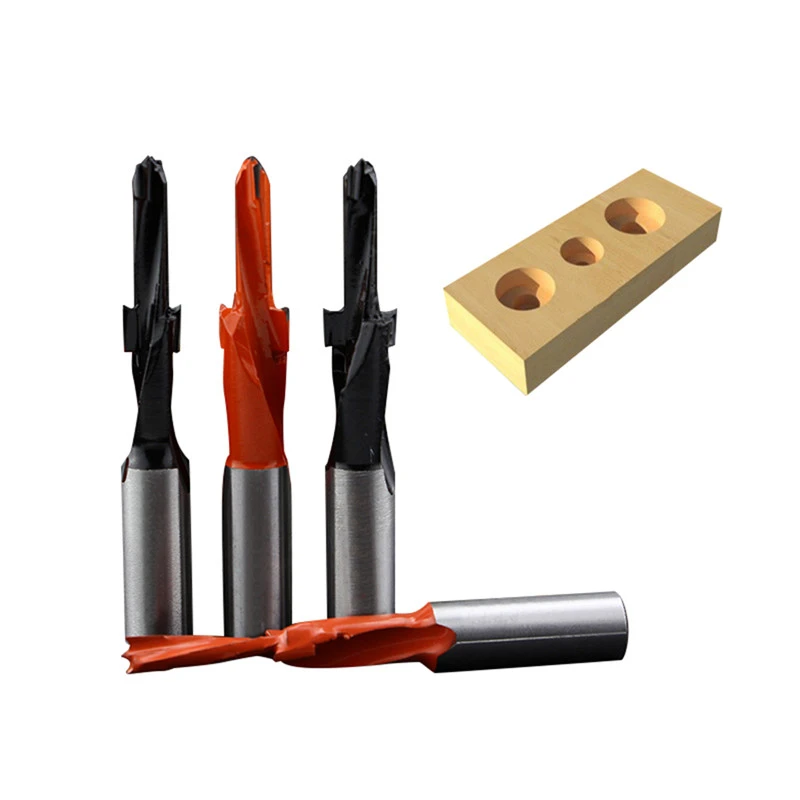
Benefits of Row Drill Bit
High Durability
Row drill bits are made from a special type of steel that is designed to withstand high temperatures and resist wear and tear. This makes them ideal for drilling through tough materials such as metal, wood, and plastic, and ensures that they last longer than other types of drill bits. Additionally, the high durability of Row drill bits means that they can be sharpened multiple times, extending their lifespan even further.
Versatility
Another advantage of Row drill bits is their versatility. They can be used on a wide range of materials, including steel, aluminum, copper, brass, wood, and plastic, making them a popular choice in industries such as manufacturing, construction, and automotive. This versatility makes them a cost-effective option for businesses that need to work with different materials on a regular basis.
High-Speed Capabilities
This is due to the steel's ability to withstand the heat generated by high-speed drilling without losing its hardness or strength. This feature is especially useful when drilling through harder materials, as it allows for faster and more efficient drilling, saving time and energy.
Improved Precision
Row drill bits are designed with a sharp, pointed tip that allows for precise and accurate drilling. This makes them ideal for tasks that require precision, such as drilling holes for bolts or screws, or drilling through thin or delicate materials. Additionally, row drill bits are available in a wide range of sizes and shapes, allowing for even greater precision and customization.
Cost-Effective
Despite their high durability and precision capabilities, row drill bits are a cost-effective option for businesses and individuals. They are relatively affordable and can be used for multiple drilling applications, making them a great investment for those who need to drill regularly. Additionally, their ability to be sharpened multiple times means that they can last longer than other types of drill bits, further reducing the need for replacements.
Application of Row Drill Bit
Wood
Most Row drill bits will drill through wood, and different types of row drill bits are available to drill different size holes. A twist bit is used to drill holes up to around 17-20mm and is better for drilling thick wood, while a flat drill bit can drill large holes from 13mm upwards in shallow wood. Some wood drills are three-point bits used in carpentry to drill small holes.
Masonry
If you’re drilling into brick, block, concrete, natural or artificial stone, you can use row drill bits. They prevent the likelihood of chips and cracking and can help to reduce noise levels. They’re typically made from high-speed steel with a tungsten carbide cutting lip. They can have two, three or four cutting lips – the more cutting lips there are, the harder the material it will cut into. Most masonry Row drill bits can be used with a hammer action drill.
Metal
However, not all metals are the same as some are harder or denser than others. So, it's important to consider what type of metal you are drilling as the drill bit must be harder than the metal it's drilling. For example, drill bits made from steel are fine for soft metals, while cobalt is the best drill bit for stainless steel. But solid carbide or tungsten carbide Row drill bits are needed to cut through hard, dense metals. Also, check the drill bit's coating. A TiN coating will slow down wear and tear and increase resistance to abrasion and heat, and SG is best for penetrating dense metals.
Multi-Material
If you want a drill bit that can tackle a range of materials, then a multi-material drill bit or a metal drill bit is ideal. Multi-purpose drill bits are usually made from steel or cobalt and have a tungsten carbide tip.
Tiles
To drill ceramic tiles, use a specialist drill bit designed to cut through class 4 tiles (tiles used in high traffic areas). These row drill bits have a diamond-shaped point made from tungsten carbide that's designed to cut through the ceramic without causing the tile to chip or crack. They also have a centering tip that stops the drill bit from slipping or wandering. A masonry drill bit can also be used on tiles if used at a slow speed and without the hammer action.
Tile and Glass
To drill tiles and glass with a class 3 rating (used in light to moderate traffic areas), use a specialist drill bit. These row drill bits have a tungsten carbide tipped diamond-shaped point. They can withstand the high temperatures created when drilling into tile and glass.
How to Choose Row Drill Bit
Choose a Row Drill Bit Made From the Right Materials
The drill bit material is important in selecting the right drill bit type. This is because every material has a unique hardness and mechanical features. For example, high-speed steel can drill through fiberglass, PVC, aluminum, and wood, while cobalt drill bits are very hard and disperse heat faster.
Consider the Row Drill Bit Coatings
Coatings are important because they can improve the drill bits’ functional and aesthetic value. For example, when high-speed steel drill bits are coated with titanium nitride, they become very hard, increasing their suitability for drilling hard materials. Therefore, check through their properties if you are drilling a hard material and need a coated drill bit.
Workpiece Materials
Workpieces are made from metal, wood, stone, ceramic, or other materials. Each one has its properties necessitating you choose using the right drill bit. For example, you can use universal drill bits like the twist and step drill bits or the straight flute drill bit for workpieces made from metallic materials. Another example is using an auger and spade drilling bit for woods. Ensure you know the drilling bit’s intended use before choosing them.
Geometry/Specification of Row Drill Bits
You have to consider a few things about the geometry and dimension of the drill bits.
-Webbing
The right drilling bit should be thick enough to avoid snapping during the drilling process. Therefore, you should consider spending more money on heavy-duty geometry.
-Length
Short drill bits are more rigid, and they deliver higher precision. If you have no choice but to use a long drill bit, ensure that it has a short flute length, i.e., two times the drill diameter. Long drill bits with long flute lengths will have lower stability and the tendency to cut.
-Drill Point Angle
The two common drill point angles are 118°and 135°. On the one hand, drill bits with an 1180 drill pint angle are suitable for soft materials like mild steel and aluminum. On the other hand, drill bits with a 1350 drill pint angle are suitable for drilling hard materials.
-Helix Angle/ Spiral Angle
There are many helix angles used in drilling, with the common ones being 10-29, 19-40, and 27-45 degrees.
Drills 19 to 490 helix angle is the general one suitable for a major application.
Drills with 10 to 290 helix angles are suitable for hard materials made from aluminum and have better chip evacuation, fracture resistance, and edge strength.
Drills with 27 to 450 helix angles are suitable for the hardest materials, such as stainless steel, which requires low torque and has cutting resistance.
Sizes of Row Drill Bits
There are different drill bit standard sizes, such as the Fractional Inch, Wire Gauge and Letter, and the metric drill bit size. Use a proper drill bit size chart to get the proper size and dimension of the drill bit.
Maintenance of Row Drill Bit
Proper Storage
Store drill bits in a dry and clean location
Keep them in their original packaging or a designated storage container
Use a rack or pegboard to organize and prevent damage
Avoid exposure to extreme temperatures and humidity
Label the storage container for easy identification
Sharpening and Maintenance Techniques
Use a file or grinder to sharpen dull drill bits
Keep the bit cool while sharpening to prevent overheating and damage
Remove any burrs or chips on the cutting edge
Check the bit regularly for signs of wear or damage
Use lubricant or cutting oil during drilling to reduce friction and heat buildup
Avoid applying excessive pressure during drilling, which can cause wear and damage to the bit.

Our Factory
We have a complete factory production, quality supervision and delivery.
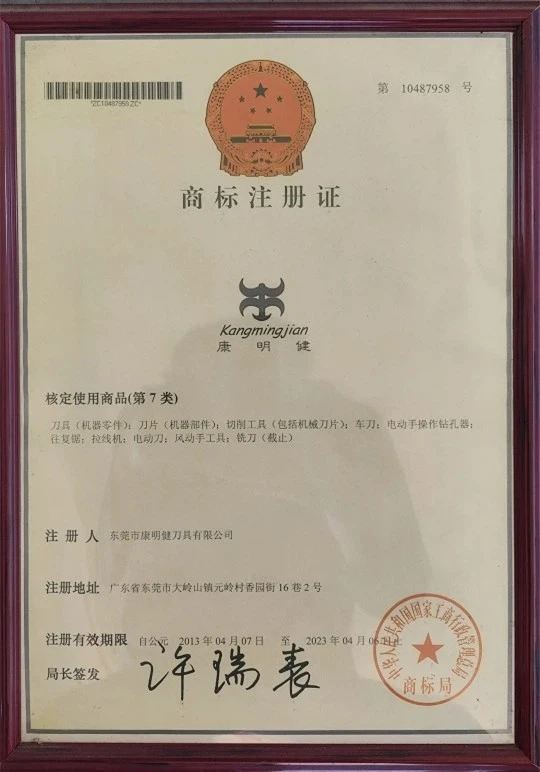
Our Certificate
At present, we have obtained the following certificates.
Ultimate FAQ Guide to Row Drill Bit
Q: 1. What is a row drill bit?
Q: 2. How many holes can a row drill bit create in a single pass?
Q: 3. What is the advantage of using a row drill bit?
Q: 4. What materials can a row drill bit be used on?
Q: 5. How do you choose the right size row drill bit?
Q: 6. What type of shank do row drill bits typically have?
Q: 7. Can a row drill bit be used on a hand drill?
Q: 8. What is the best way to maintain a row drill bit?
Q: 9. How often should you sharpen a row drill bit?
Q: 10. Can a row drill bit be resharpened?
Q: 11. Can a row drill bit be used in a drill press?
Q: 12. What is the difference between a row drill bit and a spade bit?
Q: 13. Can a row drill bit be used on metal?
Q: 14. How deep can a row drill bit drill?
Q: 15. Can a row drill bit be used for countersinking?
Q: 16. Can a row drill bit be used for mortising?
Q: 17. What is the difference between a row drill bit and a hole saw?
Q: 18. What is the difference between a row drill bit and a brad point bit?
Q: 19. Can a row drill bit be used for drilling pilot holes?
Q: 20. Can a row drill bit be used in a CNC machine?